- Teacher: Admin User
machoguloyce.gnomio.com
-
Welcome to your new Gnomio site
Now, you are in control!
Moodle is an open-source Learning Management System (LMS) that provides educators with the tools and features to create and manage online courses. It allows educators to organize course materials, create quizzes and assignments, host discussion forums, and track student progress. Moodle is highly flexible and can be customized to meet the specific needs of different institutions and learning environments.
Moodle supports both synchronous and asynchronous learning environments, enabling educators to host live webinars, video conferences, and chat sessions, as well as providing a variety of tools that support self-paced learning, including videos, interactive quizzes, and discussion forums. The platform also integrates with other tools and systems, such as Google Apps and plagiarism detection software, to provide a seamless learning experience.
Moodle is widely used in educational institutions, including universities, K-12 schools, and corporate training programs. It is well-suited to online and blended learning environments and distance education programs. Additionally, Moodle's accessibility features make it a popular choice for learners with disabilities, ensuring that courses are inclusive and accessible to all learners.
The Moodle community is an active group of users, developers, and educators who contribute to the platform's development and improvement. The community provides support, resources, and documentation for users, as well as a forum for sharing ideas and best practices. Moodle releases regular updates and improvements, ensuring that the platform remains up-to-date with the latest technologies and best practices.
Links of interest:
(You can edit or remove this text)
Available courses
- Teacher: Admin User
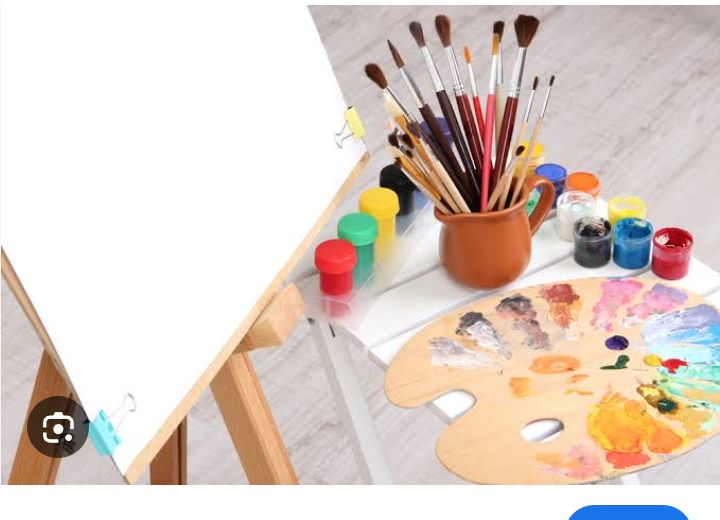
Art and design is a creative, interdisciplinary field combining aesthetic expression with functional planning. Art focuses on personal expression, emotion, and creativity, while design involves structured, objective problem-solving. Both rely on core elements like line, color, and form, and principles such as balance and unity to create, communicate, and innovate.
Key Aspects of Art and Design
Art (Expression): Often subjective, focusing on capturing emotion, creativity, and aesthetic value through mediums like painting, sculpture, and, in some contexts, digital art.
Design (Solution): Objective and function-focused, involving planning, sketching, and executing, such as in architecture, graphic design, and industrial design.
Core Elements (The Tools): Artists and designers use line, shape, color, value, form, texture, and space.
Principles of Design (The Rules): These guide the composition, including balance, contrast, emphasis, movement, pattern, rhythm, and unity.
Education and Application: The field involves developing skills in observation, research, and technical proficiency to communicate ideas visually and functionally.
- Teacher: Admin User
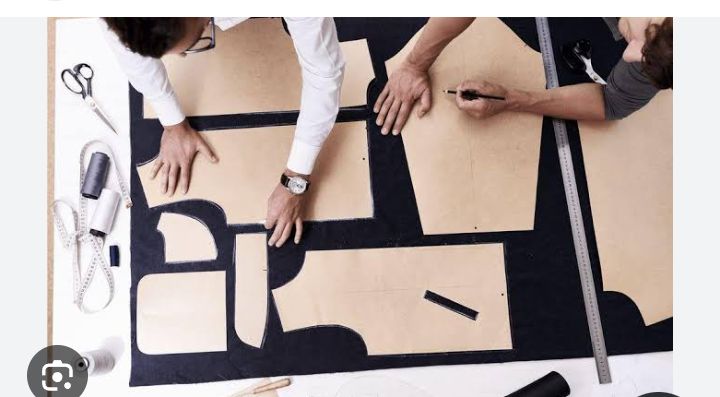
Pattern construction is the technical process of translating 2D design sketches into functional 3D garment templates (patterns) using, drafting, or draping to ensure proper fit and efficient production. It bridges design and manufacturing by creating precise, annotated blueprints—including notches, darts, and seam allowances—crucial for cutting fabric accurately.
Key Aspects of Pattern Construction:
Purpose: Translates design concepts into wearable garments, ensures accurate fit, reduces fabric waste, and enables consistent mass production.
Methods:
Drafting: Creating patterns from scratch on paper using body measurements to create a "block" or "sloper".
Draping: Manipulating fabric directly on a mannequin to create a 3D template.
Flat Pattern Making: Adjusting existing block patterns on a flat surface to create new styles.
Components: Patterns include essential markings such as seam allowances, grainlines, darts, pleats, notches, and buttonhole placements.
Essential Tools: Measuring tape, drafting paper, L-square, hip curve, notches, and, in modern settings, CAD software.
Process Flow:
Taking precise body measurements.
Drafting the basic bodice, skirt, or sleeve blocks.
Manipulating the block (slash-and-spread or pivotal transfer) to create the desired design.
Adding seam allowances and markings.
- Teacher: Admin User

Dressmaking is the craft of designing, cutting, and sewing custom garments, ranging from simple casual wear to complex evening attire. The process involves taking precise body measurements, creating or selecting patterns, selecting suitable fabric (like linen or cotton for summer), cutting pieces, and assembling them through sewing, often incorporating linings, facings, and closures.
Key Aspects of Dressmaking:
Planning & Patterns: Choosing a style, measuring the body, and using paper or digital patterns for accurate sizing.
Fabric Selection: Choosing appropriate materials (e.g., silk for elegance, cotton for breathability).
Cutting & Preparation: Laying out patterns on fabric and cutting accurately, including adding seam allowances.
Assembly (Sewing): The sewing process often begins with stay-stitching to prevent stretching, followed by sewing darts, seams, and adding finishes like elastic or zippers.
Finishing Techniques: Hemming, pressing seams for a crisp look, and creating professional, comfortable finishes.
- Teacher: Admin User